An Indian Toilet remains a practical sanitation choice for many public, industrial, institutional, and temporary facilities. Its suitability, however, depends on thoughtful planning around water availability, drainage, flooring, ventilation, cleanliness, and the needs of the people who will use the facility.
In Nagpur and across Maharashtra, Indian-style toilet facilities can be found in factories, construction sites, public areas, transport-linked facilities, institutions, temporary work camps, and event locations. Their familiarity among a wide range of users makes them relevant for many high-footfall environments.
The first planning consideration should be user demand. A facility serving hundreds of workers or visitors needs a different sanitation capacity from one intended for a small team. Providing too few units can create queues and increase pressure on cleaning and maintenance.
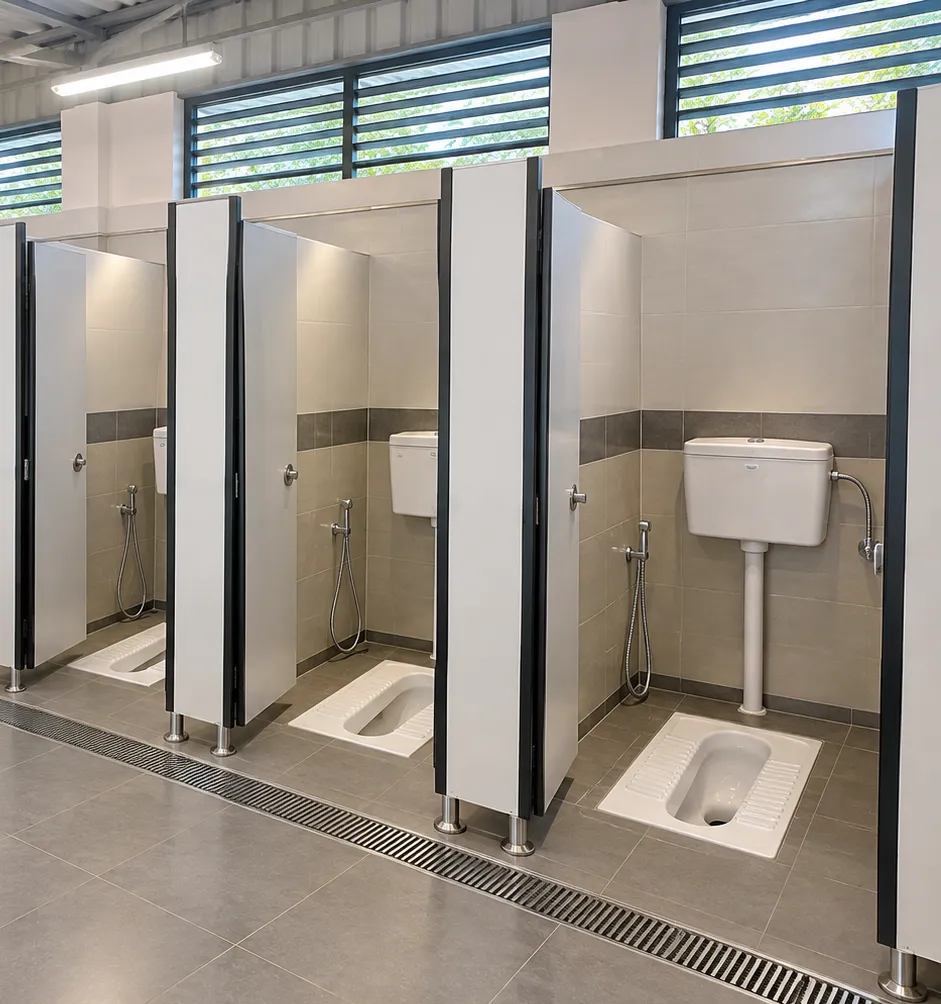
Floor design deserves particular attention. Since water is commonly used for personal cleaning, the floor should support efficient drainage without allowing water to accumulate. Appropriate slope and drainage placement can make daily cleaning easier and reduce persistent wet areas.
Water availability should be assessed before installation. This includes both the quantity required by users and the water needed for routine cleaning. Where municipal or permanent water connections are unavailable, storage tanks or alternative arrangements may be necessary.
Other practical considerations include:
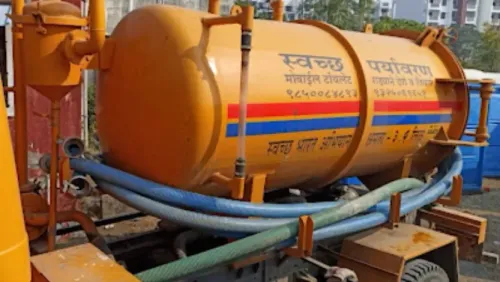
- Suitable waste disposal or drainage connection
- Adequate internal ventilation
- Convenient access for cleaning staff
- Durable interior surfaces
- Sufficient lighting
- Privacy and secure doors
- Handwashing arrangements nearby
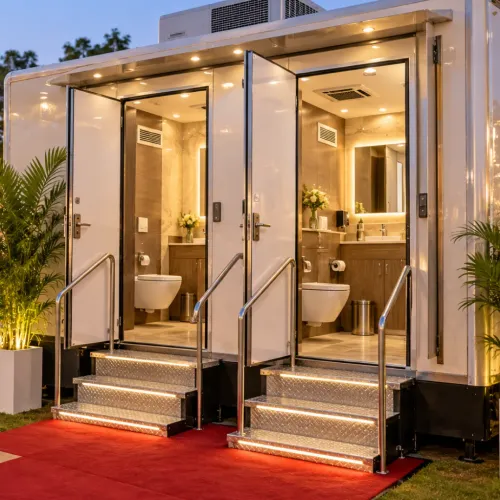
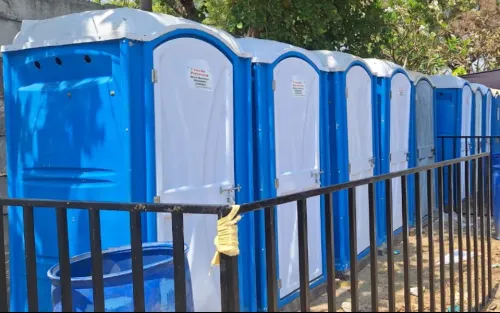
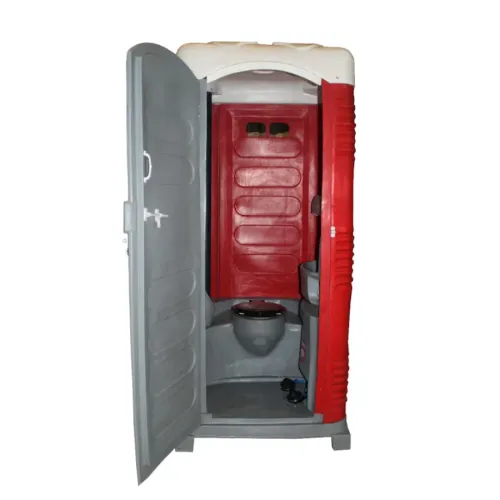
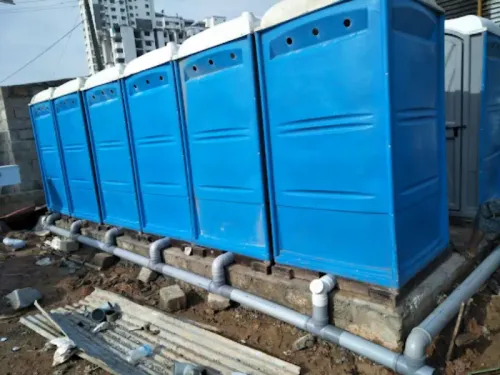
For temporary sites, portability can become an additional consideration. Construction projects, infrastructure works, and temporary gatherings may require toilet facilities that can be positioned without building permanent washroom structures. In these circumstances, prefabricated sanitation units can offer a practical approach when designed around the site's utility conditions.
The needs of different users should also be recognised. An Indian-style toilet may be preferred by some users, while others may require western seating because of age, mobility, or physical limitations. Larger facilities can therefore benefit from a mixed sanitation arrangement instead of assuming that one toilet type will suit everyone.
For sanitation projects in Nagpur, Swachh Paryavaran can help organisations evaluate toilet requirements according to usage and site conditions. Capacity, water, drainage, accessibility, cleaning, and maintenance should all be considered together.
A functional toilet facility is ultimately defined by how reliably it serves users day after day. Selecting an Indian toilet is therefore only the beginning. Correct installation, dependable water availability, drainage planning, ventilation, and consistent cleaning are what turn a basic fixture into a practical sanitation facility.
Keywords