Choosing between a Western Toilet and an Indian-style toilet is rarely a matter of deciding that one design is universally better. The right choice depends on who will use the facility, where it will be installed, how frequently it will be used, and what maintenance arrangements are available.
For commercial and industrial projects in Nagpur, user demographics should be one of the first considerations.
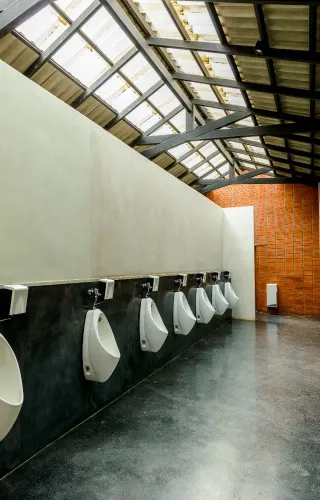
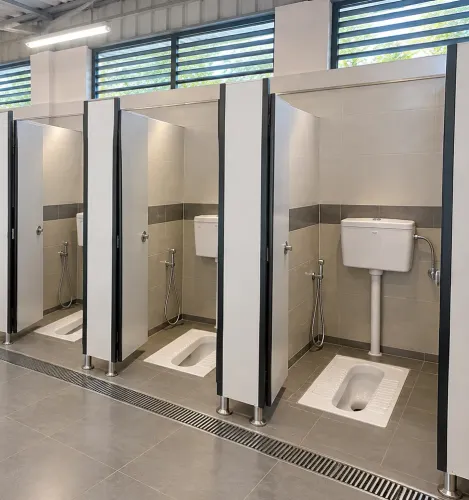
Western-style toilets provide seated use and can be particularly important for elderly users, people with restricted mobility, patients, visitors, and users who find squatting difficult. Indian-style toilets, meanwhile, remain familiar and preferred by many users in factories, public facilities, construction sites, and other high-footfall environments.
This is why larger facilities often benefit from providing both options.
From a maintenance perspective, neither design is automatically maintenance-free. Both require dependable water, proper drainage, regular cleaning, ventilation, and inspection.
When comparing the options, evaluate:
- User profile: Who will use the washroom most frequently?
- Accessibility: Will elderly or mobility-restricted users require seated facilities?
- Available space: What dimensions are available for cubicles and circulation?
- Water supply: Is adequate water consistently available?
- Drainage: Can the existing waste system support the selected fixtures?
- Cleaning: How frequently will the facility be serviced?
- Footfall: How many users are expected during peak periods?
- Site duration: Is the requirement permanent or temporary?
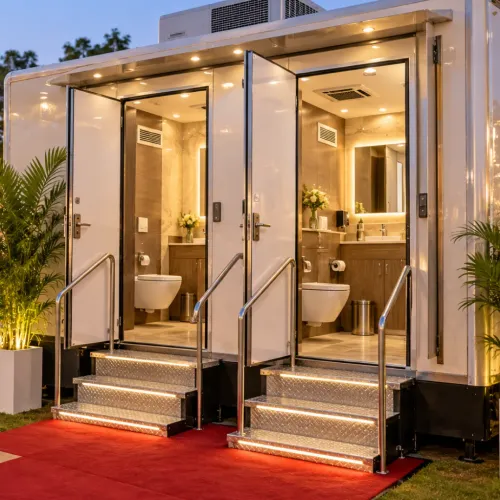
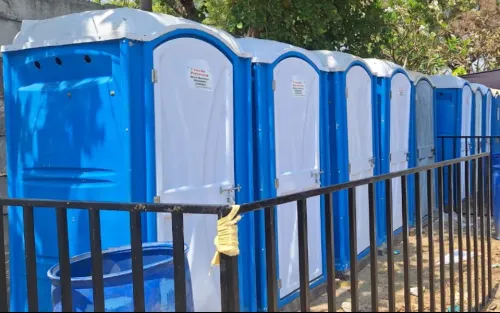
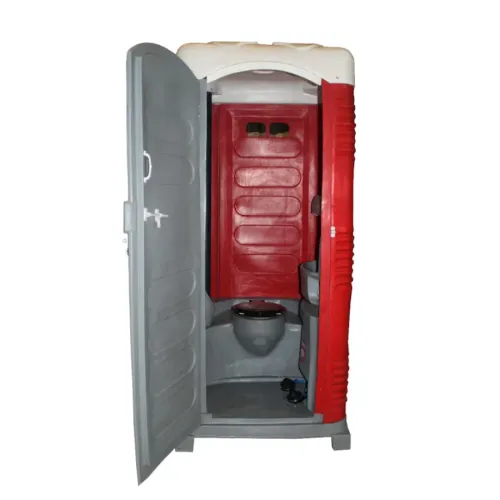
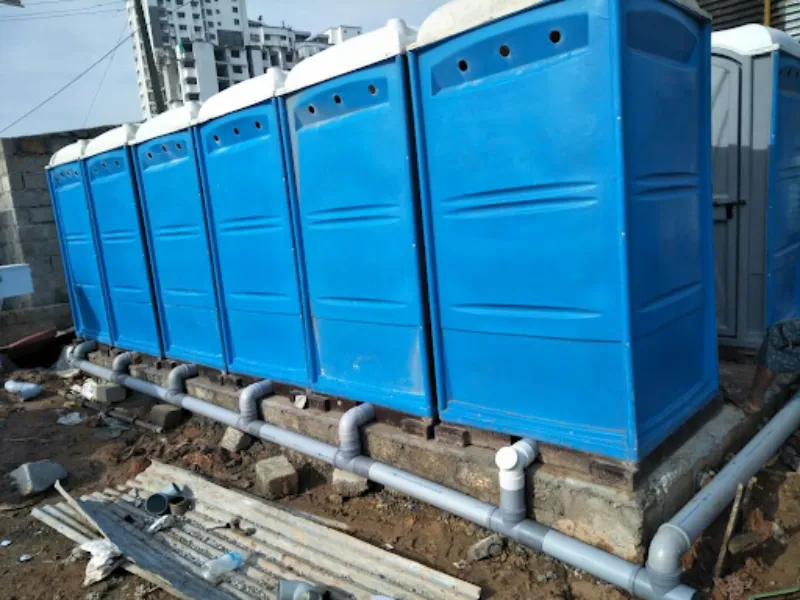
Temporary sites introduce additional considerations. A construction project may need sanitation facilities immediately but may not justify constructing permanent washrooms. Portable or prefabricated toilet units can help meet such requirements, with the internal configuration selected according to the workforce and application.
For public events, a combination of toilet formats can also improve usability. Providing only one type may unnecessarily limit convenience for certain visitors.
Accessibility deserves particular attention. Where the facility needs to serve a broad public audience, planning should account for users who cannot comfortably use squat toilets. Space for movement, suitable door widths, support arrangements, and other applicable accessibility requirements may also need consideration.
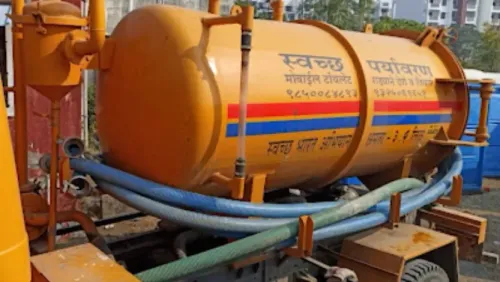
Swachh Paryavaran works with organisations evaluating sanitation facilities for different sites in Nagpur. Instead of choosing a toilet solely because it is familiar or economical, the company can consider the wider operational requirement.
For businesses across Maharashtra, the most effective sanitation design is usually one based on actual users rather than assumptions. In many environments, the decision does not have to be western or Indian. A thoughtfully planned mix can provide greater flexibility while helping facilities accommodate workers, visitors, elderly users, and people with different preferences.
Keywords