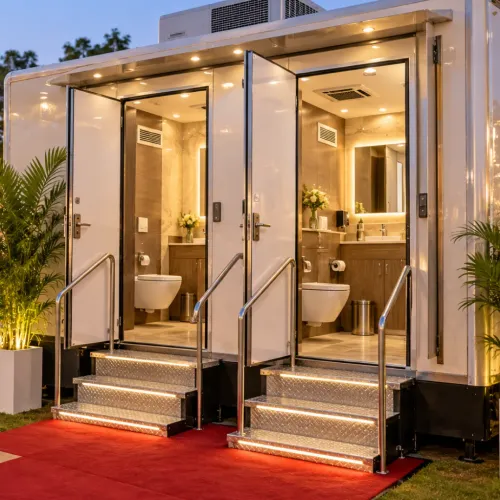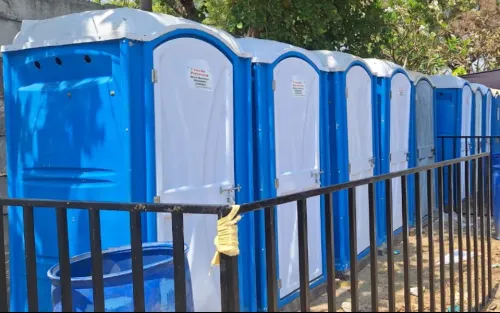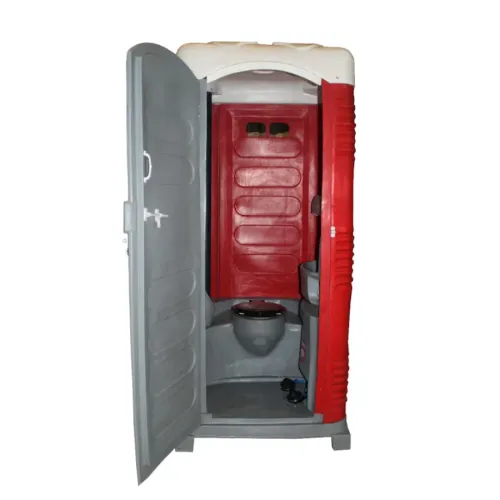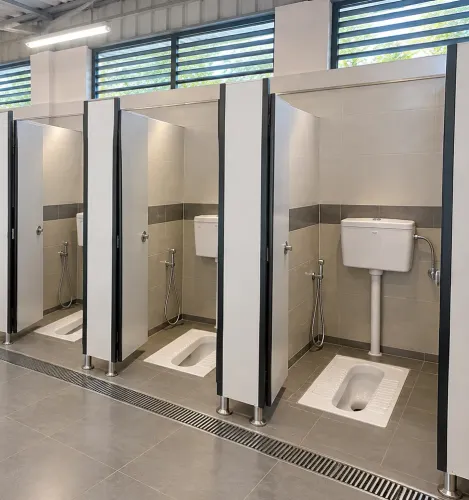
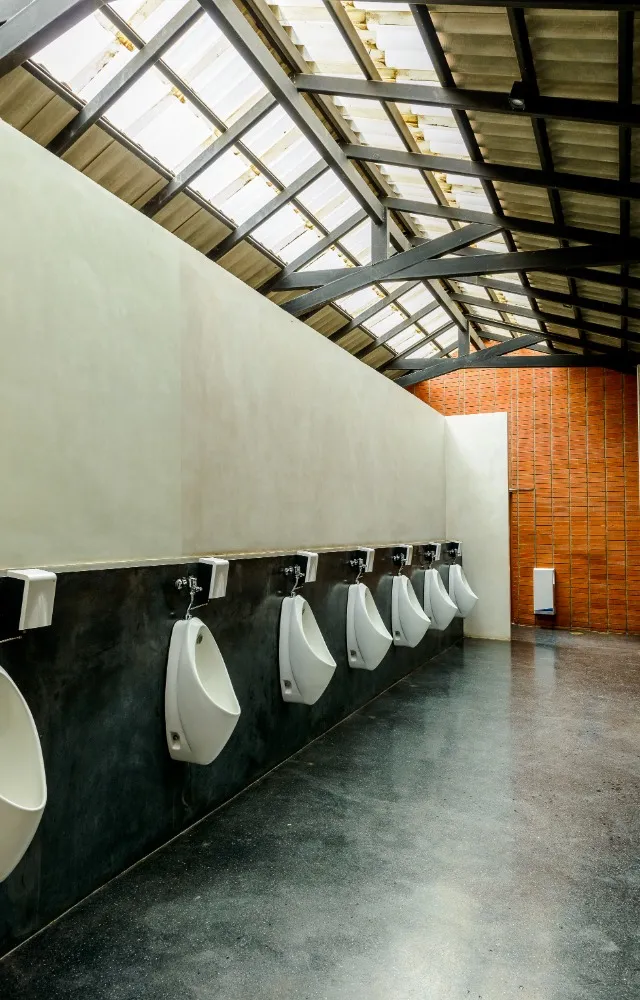
A properly planned Urinal system can improve sanitation capacity in locations where large numbers of people need washroom access within short periods. Factories, warehouses, construction sites, public venues, transport facilities, institutions, and temporary events are common examples.
In industrial areas around Nagpur, washroom demand can increase sharply during shift changes and scheduled breaks. If every user must rely on a conventional toilet cubicle, queues can develop quickly. Incorporating urinals where appropriate can help distribute demand more efficiently.
The number of fixtures required should be determined according to expected occupancy and applicable requirements rather than guesswork. Planners should consider normal daily usage as well as peak periods.
Water efficiency is another relevant consideration. Depending on the selected design, urinals may have different flushing arrangements and water requirements. The appropriate system should be evaluated alongside local water availability, expected use, cleaning practices, and maintenance capability.
Drainage quality has a direct effect on long-term performance. Poorly designed pipework, unsuitable gradients, or inadequate maintenance can contribute to blockages and odour problems. This means the fixture itself cannot be considered separately from the drainage infrastructure supporting it.
A practical facility should address several areas:
- User capacity during peak periods
- Water supply
- Appropriate drainage
- Ventilation
- Privacy
- Floor cleaning
- Handwashing access
- Routine inspection and maintenance
Odour control depends heavily on cleaning and drainage management. Simply using fragrances does not correct problems caused by poor maintenance. Regular cleaning of fixtures and surrounding surfaces, along with inspection of traps and drainage components, is more important.
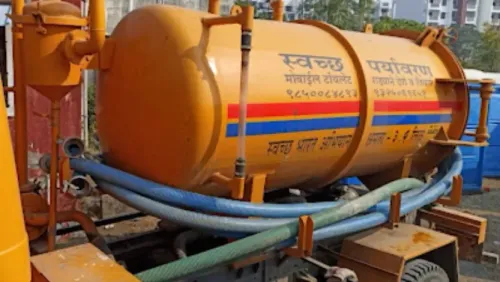
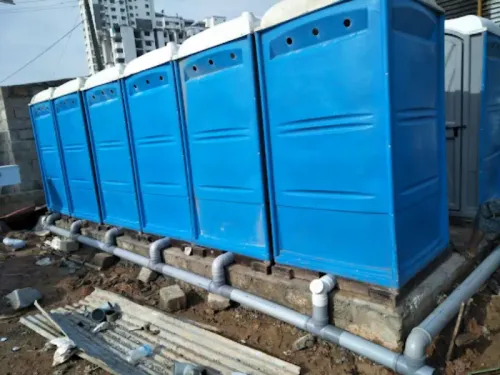
For temporary worksites, permanent washrooms may not be practical because teams move as construction progresses. Portable sanitation units containing suitable urinal facilities can provide an alternative, provided waste collection and servicing have been planned properly.
Maharashtra's climate also makes ventilation particularly relevant. Enclosed sanitation cabins can become uncomfortable if air movement is inadequate, especially during warmer periods. Ventilation should therefore be treated as part of functional design.
Swachh Paryavaran serves sanitation requirements in Nagpur where practical toilet and urinal infrastructure is needed for different applications. Before deciding on a configuration, organisations should assess the number of users, site duration, available utilities, cleaning resources, and waste-management arrangements.
A urinal system is most effective when it forms part of a complete sanitation plan. Capacity, hygiene, drainage, ventilation, handwashing, and maintenance should work together so that the facility remains practical throughout its operating period.
Keywords