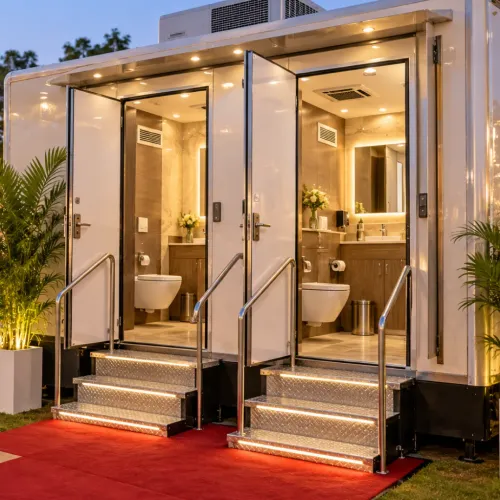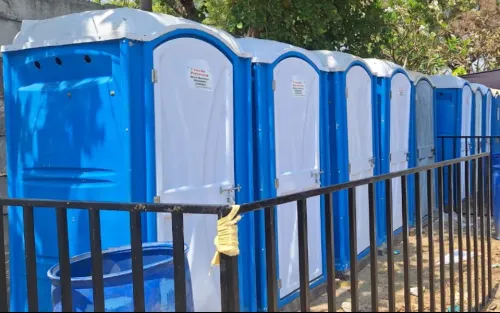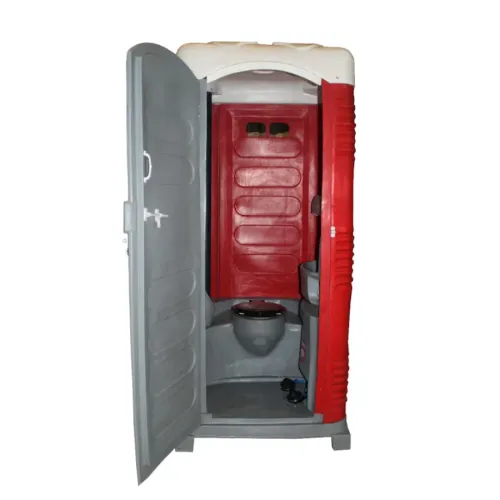
Choosing a Western Toilet for a commercial or public facility involves more than selecting a familiar toilet design. Usage frequency, available space, plumbing infrastructure, cleaning requirements, user demographics, and maintenance access can all influence which configuration is appropriate.
Across Nagpur, western-style toilet facilities are used in offices, hospitals, educational institutions, factories, commercial buildings, construction sites, event venues, and temporary sanitation facilities. Each environment creates different demands.
A low-footfall office, for example, may have very different requirements from a factory or public event facility where toilets are used continuously by a large number of people.
Before selecting a unit, consider the expected number of users. Higher footfall generally requires a sanitation setup that can tolerate frequent use and can be cleaned without complicated procedures. Surfaces and components should therefore be chosen with maintenance practicality in mind.
Space planning is another important factor. The toilet area should provide adequate movement around the fixture while allowing convenient access for cleaning and maintenance. Where facilities are intended for elderly users or people with mobility limitations, accessibility requirements should be considered during the planning stage rather than added later.
Water and drainage conditions require equal attention. A toilet cannot function reliably if the supporting plumbing and waste-management arrangement is unsuitable. Before installation, assess:
- Water availability and pressure
- Drainage or waste collection arrangements
- Plumbing connections
- Ventilation
- Floor drainage
- Cleaning access
- Expected daily usage
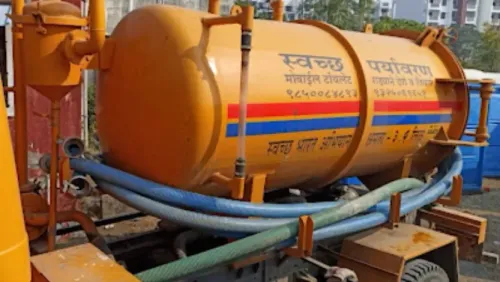
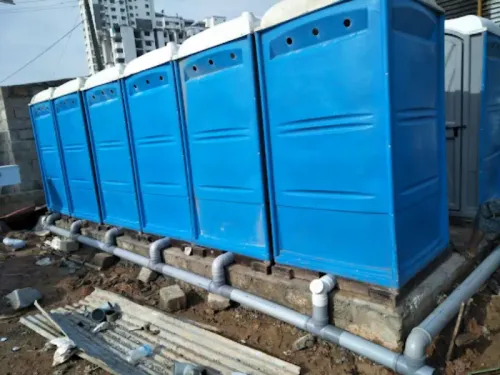
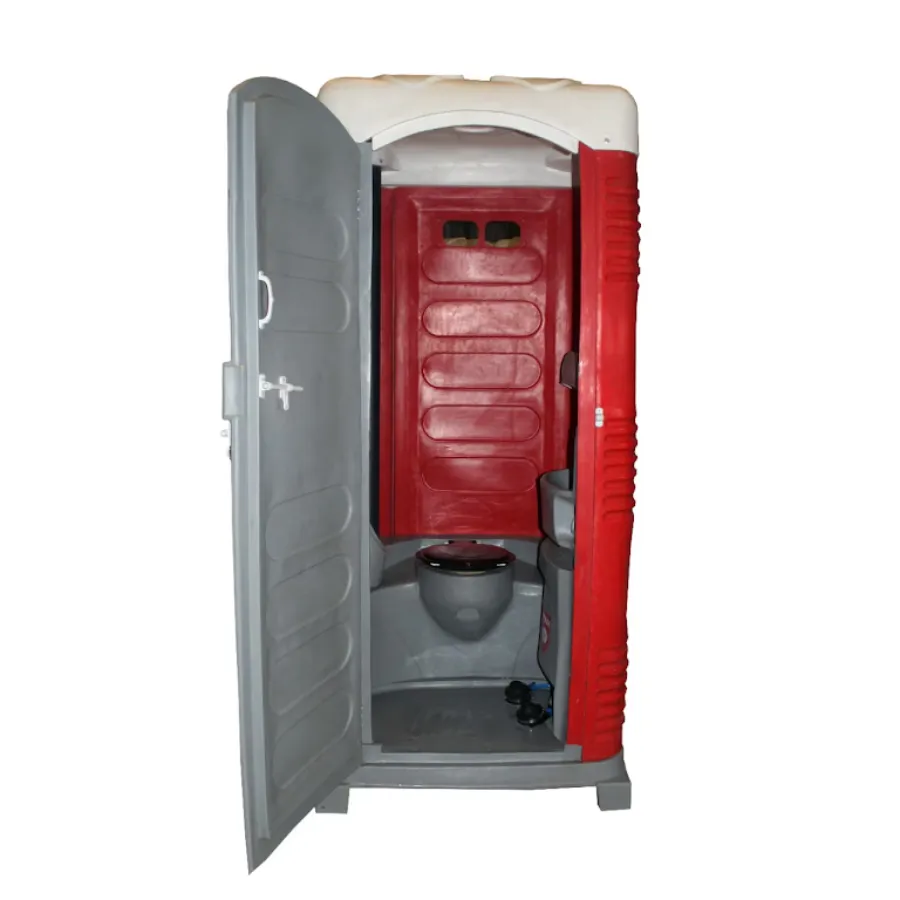
For temporary sites in Maharashtra, permanent sewer connections may not always be available. Portable or prefabricated sanitation arrangements can therefore require integrated waste storage or connections to suitable containment systems.
Hygiene should also influence the design. Smooth, easy-to-clean surfaces and accessible fixtures can simplify routine sanitation. A clearly planned cleaning schedule becomes particularly important in facilities shared by many users.
Ventilation is sometimes overlooked. Even where an exhaust system or natural ventilation is provided, its capacity should reflect the size and expected usage of the facility. Proper ventilation supports a more comfortable environment and helps control odours.
Swachh Paryavaran works with sanitation requirements where toilet selection needs to be coordinated with practical site conditions. For projects in Nagpur, understanding the application before deciding on a toilet configuration can help avoid unsuitable installations.
A western toilet is only one component of the complete sanitation system. Reliable everyday use depends on how well the fixture, water supply, drainage, ventilation, cleaning plan, and user requirements work together. Evaluating the complete system is therefore more useful than choosing a toilet solely on appearance or initial cost.
Keywords